
Fall 2026 Close Up


-
Films
- Now Playing
- Coming Attractions
- Special Programs
- Hollywood Summer Nights
- Retrograde
- $5 Family Matinees
- Reel Rebels
- NOIR CITY: Philadelphia 2026
- 35mm Film Festival
- Hollywood Awards Party
- Close Up at the Ambler
- Weekly Newsletter
- Membership
- Make a Donation
- Gift Membership
- Gift Cards
- Business Sponsorship
- Film & Event Underwriting
- Buy Shirts & Merch
- Members Honor Roll
- At the Theater
- » Cinema Studies
- » Film Camp
- Online
- » Deep Focus
- » Online Classes
- The DiCrescenzo Gallery


Behind the Curtain: How a Film Gets to Our Screens
 Our enthusiastic patrons participating in the annual costume contest during this year's Little Lebowski Nite.
As another successful season of special programming comes to a close, we're often asked the same question:
"How do you decide what movies to show?"
The answer is a little more complicated than simply picking great films.
Long before a movie arrives on our screens, our programming team is researching upcoming releases, attending festivals and industry screenings, reading trade publications, and working closely with our film booker to identify the titles that will resonate with our audiences. But even after we've found a film we'd love to play, bringing it to one of our theaters depends on a much larger puzzle.
Independent theaters like ours work directly with film distributors. These relationships are at the heart of everything we do. Distributors determine when and where films are available, including on how many screens it will show nationally, how long they must play, and under what conditions. Maintaining strong partnerships ensures that we'll continue to have access to the blockbuster, independent, foreign, documentary, and specialty films our audiences love.
For our first-run films, we agree to certain booking terms, which often include playing a film on every available showtime and keeping it on screen for a minimum amount of time if it's performing well. First-run films also typically come with a film rental fee based on a percentage of each ticket sold. Special event films, meanwhile, may be booked under a percentage-of-sales arrangement or for a flat rental fee. These costs are an important part of what goes into bringing each film to the Ambler, along with staffing and other operational expenses.
That's why we sometimes can't shorten a run to make room for another movie—or why we don't always know our next week's schedule until just a few days before it begins. These distributor requirements are why we often cannot share showtimes between new films, and have more difficulty planning special screenings, like classic films. Every week, our staff works behind the scenes to create a lineup that balances audience favorites, emerging independent voices, educational programming, and beloved classics—all while navigating an ever-changing release calendar. Programming also requires looking months ahead. Our staff works backward from key film release dates, balancing anticipated audience demand, limited screen space, and commitments to distributors. (And sometimes these release schedules change at the last minute - meaning we have to scramble and rebuild our whole schedule!)
Special events—from classic film series and educational talks to member screenings and community partnerships—are also an essential part of our programming, creating unique experiences that go beyond first-run films. Because distributors expect us to devote most showtimes to current releases, many of these events are carefully scheduled on weekday evenings or during openings in our regular programming calendar. Every event is thoughtfully planned around our existing film commitments so we can continue offering both exciting new releases and the unique experiences that make The Ambler Theater special.
 Ambler Theater staff get into the spirit for our special event screening of Jaws
As you joined us this summer for Jaws, Casablanca, The Birds, Newsies, and the rest of our Hollywood Summer Nights series, we hope you experienced what makes our programming so special: bringing audiences together to enjoy timeless films the way they were meant to be seen—on the big screen, in a room full of fellow movie lovers.
Help Bring Your Favorite Films to Our Screens
Did you know you can directly support the programming you love?
Through our Film & Event Underwriting Program, individuals and businesses can help make special screenings, classic film series and community programs, such as our $5 Family Matinees and Hollywood Summer Nights series, possible. Underwriters can receive recognition before the event and play a meaningful role in expanding the unique cinematic experiences we can offer throughout the year.
Your support helps us continue presenting the films and the unforgettable shared experiences that simply can't be replicated at home.
You can view our current Special Programs to see the programming you could help support!
Share Your Story With Us
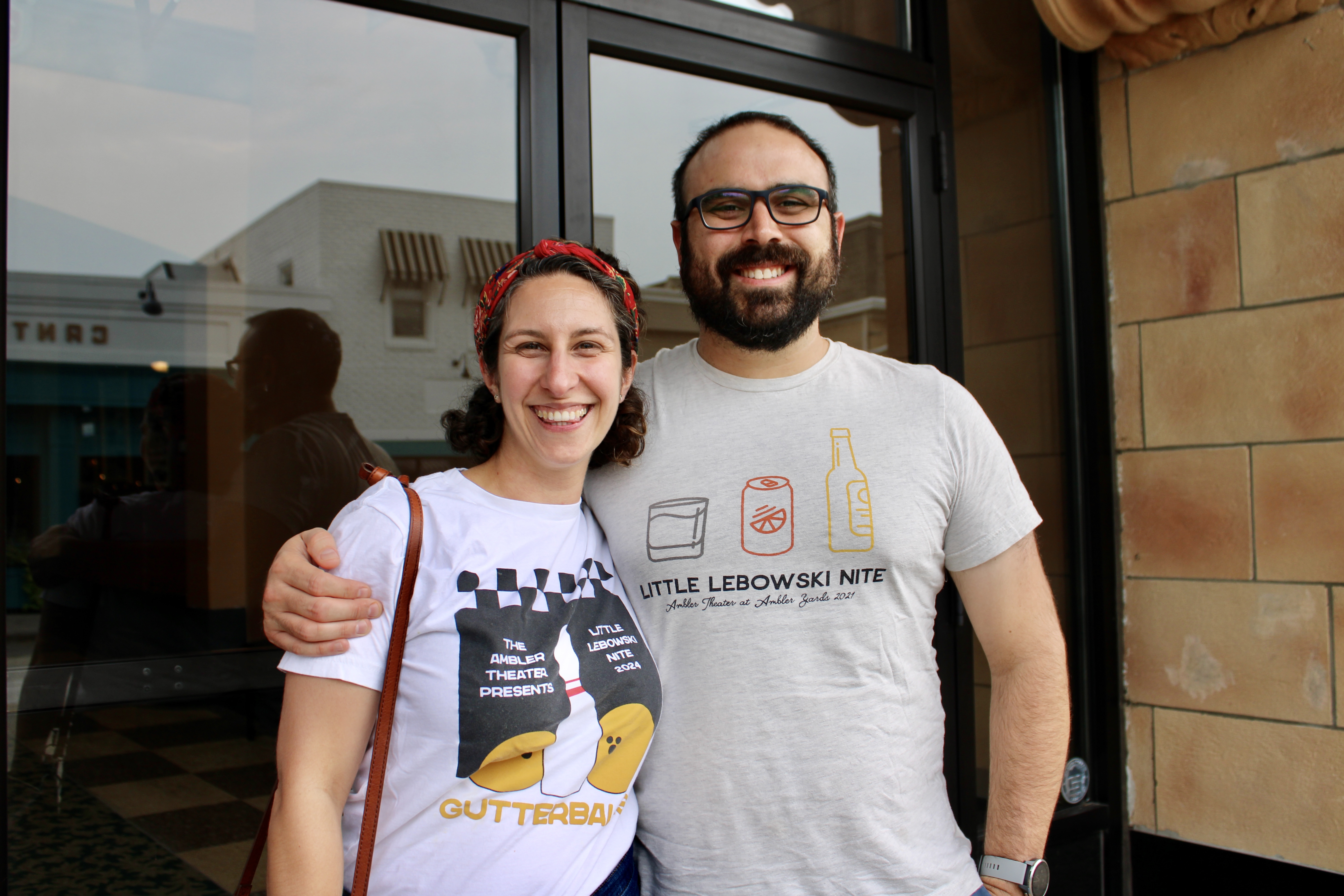 All smiles at our Little Lebowski Nite
Behind every membership is a story. Maybe it's a favorite film you discovered, a tradition you've started with your family, the excitement of seeing a beloved classic back on the big screen, or you've simply found a place that feels like home. We'd love to hear what the Ambler Theater means to you.
As a member-supported nonprofit theater, the stories of our community are at the heart of everything we do. Your experiences remind us why independent cinema matters—and they inspire others to become part of it.
Have a favorite Ambler Theater memory or a reason you love being a member? Share your story with us! We may feature your testimonial in a future newsletter, on our website, or on social media.
Project Update: The DiCrescenzo Gallery Takes Shape
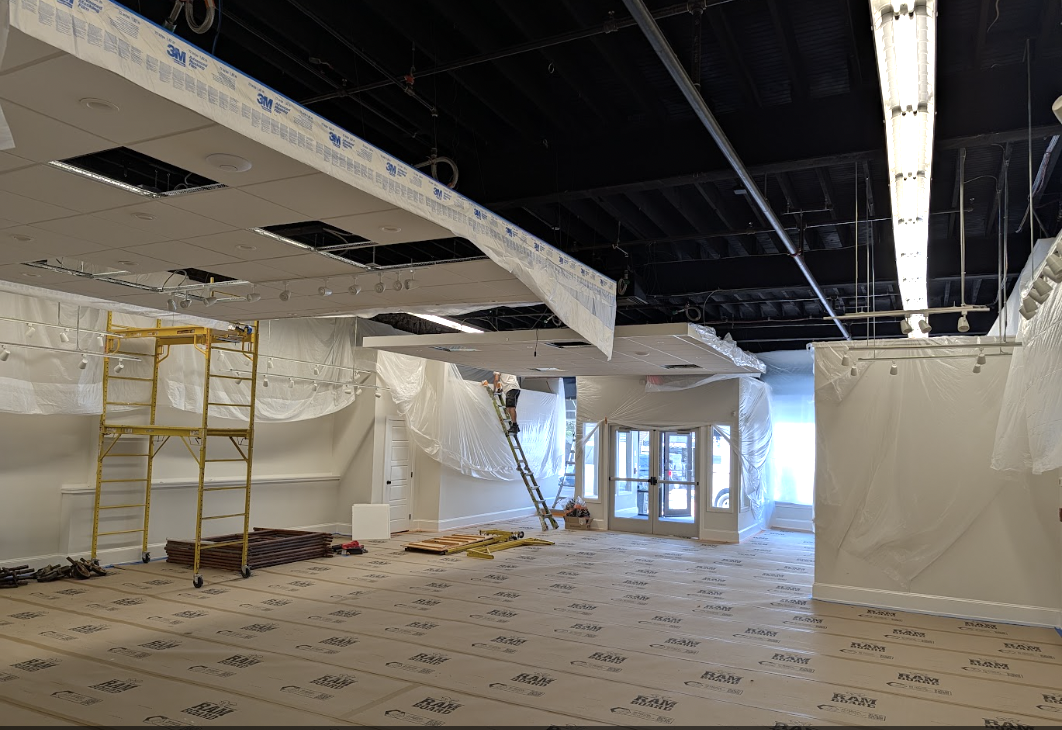 The current state of The DiCrescenzo Gallery, next door to The Ambler Theater
Work is underway to transform the The DiCrescenzo Gallery into a space for visitors to explore the history of cinema and film projection. Located next door to the theater, the Gallery houses our growing collection of vintage projection equipment, historic film artifacts and memorabilia, and is currently closed as renovations move forward.
This summer, Phase 1 focuses on preparing the space for the future by removing outdated infrastructure, upgrading electrical and lighting systems, repainting the ceiling, and adding UV protection and window shades to better preserve the collection and support live projector demonstrations. This work has been made possible through the generous support of The William B. Dietrich Foundation.
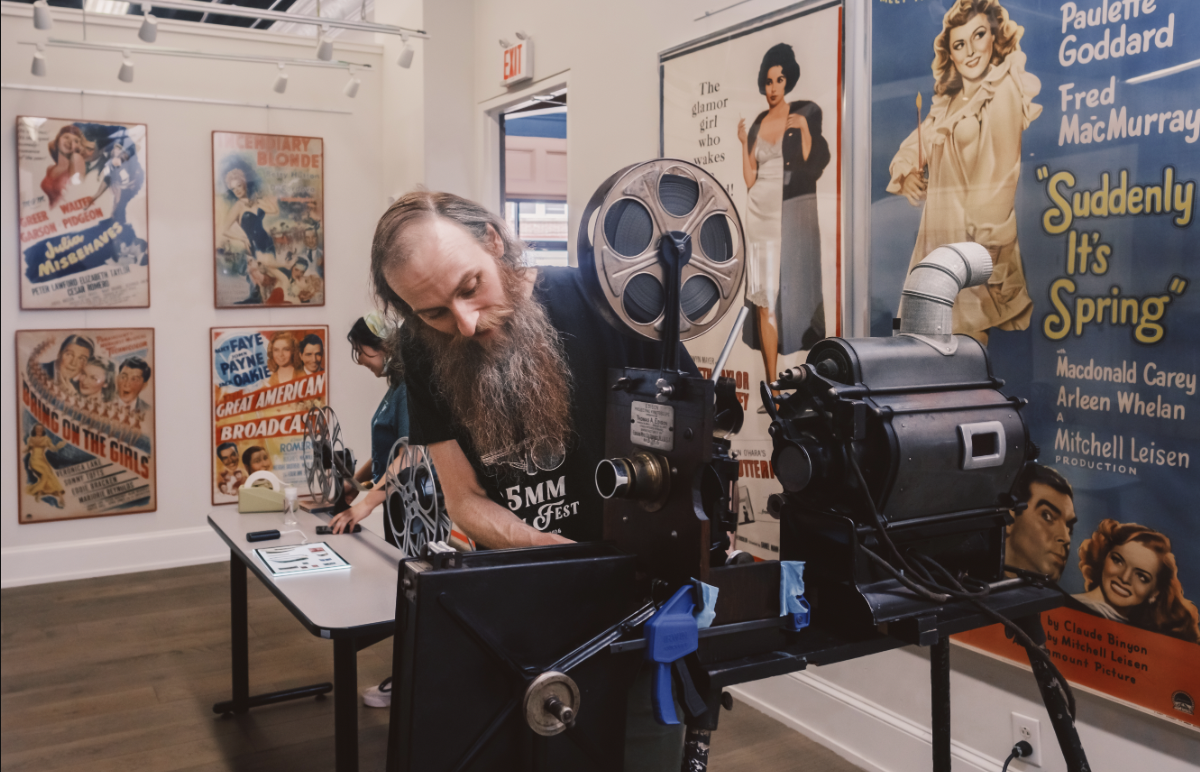 Director of Operations, Jesse Crooks, leading a demonstration using classic projection equipment
Once construction is complete, we'll begin reinstalling exhibits and reopening the Gallery this fall. Looking ahead, Phase 2 will expand the experience with new display cases, archival framing for historic movie posters, and regular gallery hours and educational programming.
Your support can help bring this vision to life. Learn more about the project or make a gift to support the next phase of renovations »

© 2014-2025 Ambler Theater Inc. All rights reserved.